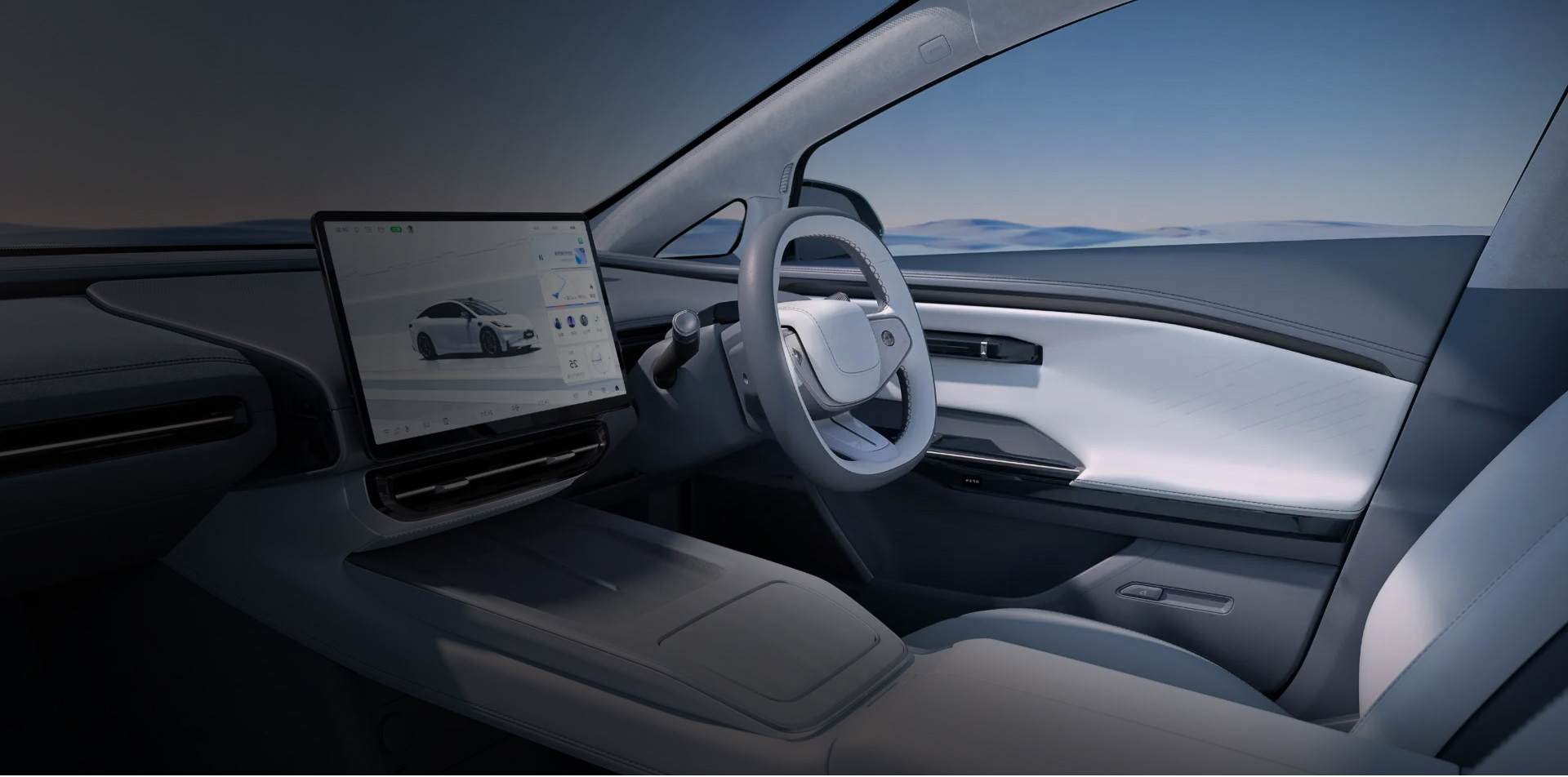
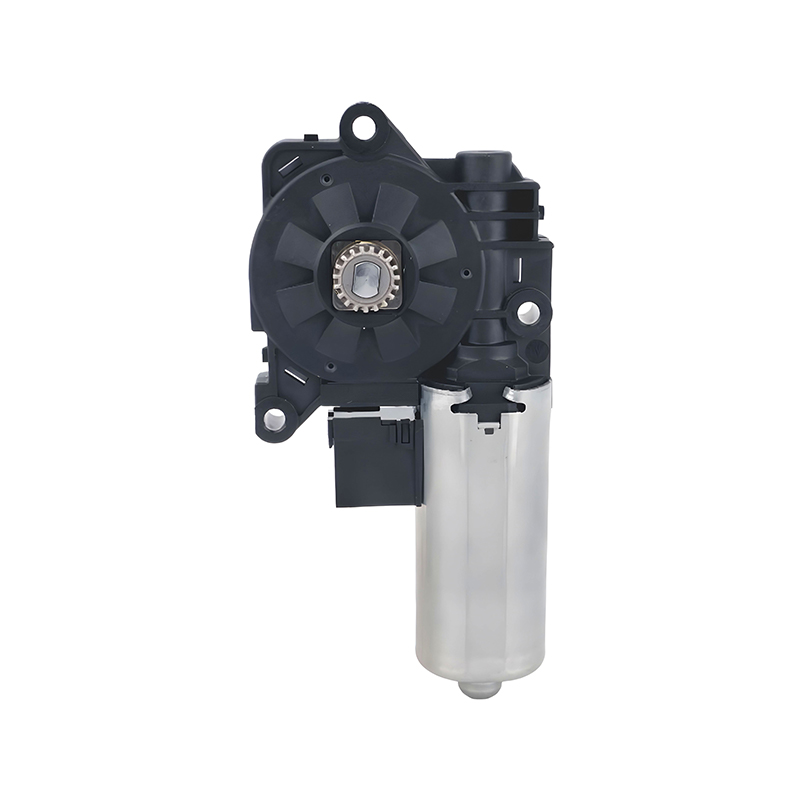
Modern vehicles rely heavily on centralized electronic control systems. As a result, even small components like sunroof motors are expected to communicate efficiently with vehicle networks and support intelligent control logic.
Key procurement interests now include:
This shift reflects a broader trend toward fully connected vehicle architectures.
With the rise of software-defined vehicles (SDVs), hardware is no longer designed in isolation. Instead, every component must function as part of a coordinated digital system.
For sunroof motor systems, this leads to new expectations:
This evolution is pushing suppliers to combine mechanical engineering with electronic system understanding.
Procurement teams are now evaluating sunroof motor systems with a more system-oriented mindset. Instead of focusing solely on torque or speed, they are assessing how well the motor integrates into the vehicle’s overall architecture.
Common evaluation criteria include:
These requirements are becoming standard in global OEM sourcing processes.
As electrification continues to expand, energy consumption has become a key performance indicator for all vehicle components. Even auxiliary systems like sunroof motors are expected to contribute to overall energy optimization.
Modern development priorities include:
These improvements help extend driving range in electric vehicles and improve overall system efficiency.
Smart motor systems require more than just design improvements—they depend heavily on manufacturing precision, electronic calibration, and consistent quality control.
At Zhejiang Tongzhou Auto Parts Co., Ltd., we focus on automotive micro motor systems including sunroof motors, window regulator motors, wiper motors, seat adjustment motors, and HVAC blower motors.
Our development and production strengths include:
This ensures our motor systems align with the requirements of modern intelligent vehicle platforms.
As vehicle intelligence becomes more widespread, sunroof systems are no longer standalone comfort features—they are part of the overall user interaction experience inside the cabin.
Typical applications now include:
This broader application scope continues to expand global demand for intelligent motor systems.
In modern automotive procurement, compatibility is as important as performance. A sunroof motor must not only function well mechanically but also integrate seamlessly into the vehicle’s electronic architecture.
Buyers increasingly prioritize suppliers who can provide:
These factors directly influence supplier selection in global automotive sourcing.
As automotive platforms continue evolving toward full digital integration, every motion system inside the vehicle will become part of a connected intelligence network. Sunroof systems, in particular, will play a growing role in enhancing cabin comfort and user experience.
For automotive manufacturers, distributors, and system integrators, the Auto Sunroof Motor is no longer just a mechanical component—it is part of a smart mobility ecosystem. With continued innovation in engineering and manufacturing, companies like Zhejiang Tongzhou Auto Parts Co., Ltd. will continue delivering high-precision, energy-efficient, and system-compatible Auto Sunroof Motor solutions for the next generation of global vehicles.
Your email address will not be published. Required field are marked*
Get in Touch

Design Automobile Motors


 en
en  English
 Deutsch
 عربى
عربى