
Zhejiang Tongzhou Auto Parts Co., Ltd.
A vehicle power window may seem like a simple comfort function, but the system behind smooth glass movement involves several mechanical and electrical elements working together. When a window moves slowly, makes unusual noise, stops unexpectedly, or feels uneven, replacing the motor alone may not solve the underlying issue. For overseas automotive buyers and engineers, selecting a suitable Glass Regulator Motor means looking beyond basic motor operation and considering how the motor interacts with the complete window regulator assembly.
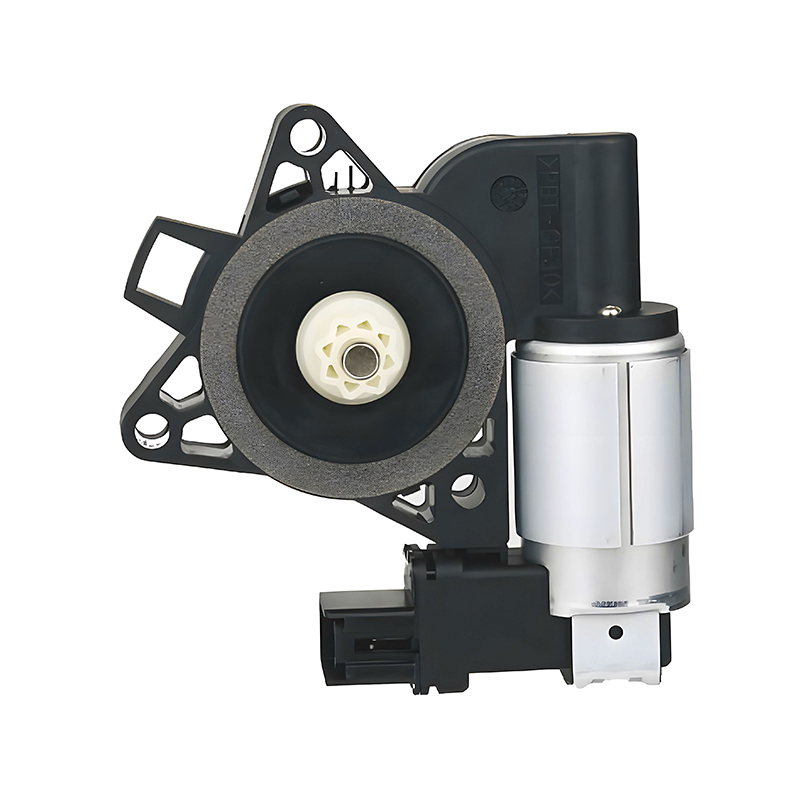
The first consideration should be the actual working load of the window system. Glass weight, guide resistance, regulator structure, friction, and installation conditions can all influence the force required from the motor.
A motor that is technically compatible with a vehicle application may still deliver unsatisfactory results if the mechanical system creates excessive resistance. Manufacturers therefore need to evaluate the motor together with the regulator rather than treating it as an isolated component.
When buyers compare automotive window lift motors, speed is often an easy specification to notice. However, stable movement is equally important.
The motor needs to work with the regulator mechanism to provide controlled movement throughout the window's travel. If mechanical resistance changes significantly during operation, the motor may experience different loads at different positions.
A practical evaluation should consider:
This broader approach gives engineers a better basis for evaluating a power window motor.
Many automotive window systems use a geared motor arrangement to convert motor rotation into the movement required by the regulator. The relationship between the motor and reduction mechanism affects torque transmission, operating characteristics, and the ability of the window to remain in position.
Poor matching can contribute to unwanted noise, uneven movement, or excessive mechanical stress. For this reason, manufacturers should pay attention to gear engagement, housing alignment, lubrication, and the overall mechanical interface when developing or sourcing a Glass Regulator Motor.
A window motor does not always operate under identical conditions. Starting the glass from a stationary position, moving upward against resistance, and reaching the end of travel can place different demands on the motor.
Engineers evaluating a motor can therefore examine its behavior under representative operating conditions rather than relying only on unloaded testing.
Electrical compatibility should also be confirmed with the vehicle's control system, including:
These details become especially important when a replacement motor is intended for integration into an existing window regulator system.
Modern power window systems may include anti-pinch functions designed to detect abnormal resistance and stop or reverse window movement. Such functions depend on the interaction between the motor, mechanical assembly, sensors, and control electronics rather than on the motor alone.
This means the motor should provide predictable operating characteristics that allow the complete system to respond appropriately. For automotive manufacturers and component buyers, this makes compatibility testing an important part of the sourcing process.
From a manufacturer's perspective, stable motor performance depends not only on component selection but also on production consistency. Small differences in assembly, gear engagement, electrical connections, or lubrication can influence the behavior of a finished motor.
A professional production and inspection process should pay attention to:
For buyers sourcing automotive window regulator motors, asking how a supplier controls these production details can provide more useful information than looking at a product description alone.
A reliable power window is the result of cooperation between the motor, regulator, glass, guides, electrical system, and control strategy. When a Glass Regulator Motor is selected according to the actual application rather than a single specification, engineers have a better opportunity to achieve stable movement and practical installation compatibility. For Zhejiang Tongzhou Auto Parts Co., Ltd., understanding the complete application is an important part of serving automotive buyers who need consistent Glass Regulator Motor solutions for different vehicle window systems.
Your email address will not be published. Required field are marked*
Get in Touch

Design Automobile Motors


 en
 English
 Deutsch
 عربى