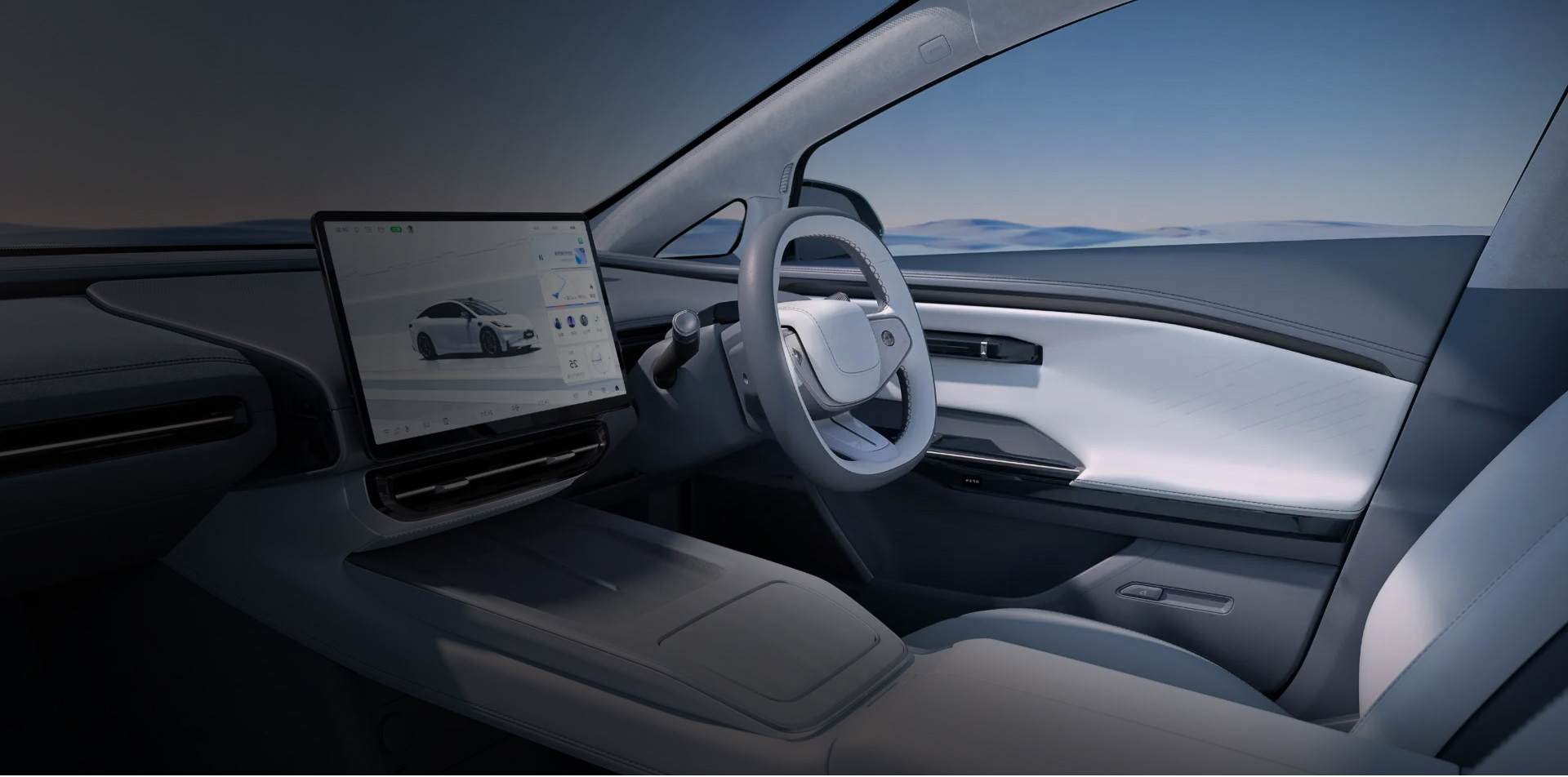
As vehicle platforms become more electrified and modular, the ATV Electric Drive Actuator is increasingly discussed among global OEM buyers, system integrators, and off-road equipment manufacturers. Alongside it, the Power Window Lift Motor remains a core component in vehicle door systems, but its role is now being re-evaluated in the context of smarter vehicle architecture, longer service life, and more demanding usage environments. Together, these motion components reflect a broader shift in how vehicle control systems are designed and sourced.
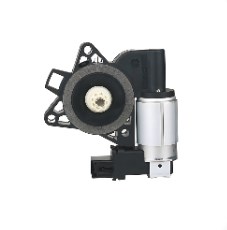
Across overseas industry discussions, electrification is no longer limited to powertrains. More mechanical functions are transitioning toward electric actuation to improve control accuracy and reduce system complexity. In ATVs, electric drive actuators support more precise control under variable load conditions, helping manufacturers simplify mechanical linkages while improving response consistency. This transition is frequently cited by buyers seeking components that align with modern vehicle platforms rather than legacy designs.
Global sourcing conversations reveal that buyers are no longer focused solely on price or short-term availability. Instead, attention is shifting toward long-term compatibility, stable output, and predictable performance across different vehicle models. For door systems, the window lift motor must integrate smoothly with electronic controls, safety systems, and interior design constraints. For drivetrain-related actuation, consistency under stress is a key concern. These factors directly influence supplier selection decisions.
Vehicle components are increasingly evaluated based on how they perform after years of repeated use. In overseas repair and maintenance communities, inconsistent actuator response or gradual performance degradation is often cited as a source of system imbalance. This has pushed manufacturers and distributors to prioritize components with stable internal structures, controlled tolerances, and reliable material performance rather than focusing only on initial output.
From a manufacturing standpoint, the reliability of motion components is closely linked to production control. Buyers frequently associate professional manufacturing processes—such as standardized assembly, controlled testing, and consistent material sourcing—with reduced failure rates and smoother integration. For electric actuators and window motors, this translates into fewer installation adjustments, more predictable system behavior, and improved downstream efficiency for OEMs and aftermarket partners.
As vehicles remain in service longer across global markets, replacement demand for electric motion components continues to expand. However, users increasingly expect replacement parts to match original performance characteristics rather than serve as temporary solutions. This has made component accuracy, fitment stability, and operational consistency more important in aftermarket sourcing discussions.
Modern vehicle design trends emphasize compact packaging and integrated systems. This leaves limited tolerance for component deviation and increases the importance of precise actuator dimensions and motor performance. Buyers often highlight the need for components that integrate seamlessly without requiring design compromises or workflow changes, reinforcing the value of well-engineered motion solutions.
Ultimately, electric actuation systems influence more than individual vehicle functions—they affect manufacturing efficiency, maintenance predictability, and end-user confidence. Suppliers that can provide stable, compatible, and well-controlled motion components support smoother collaboration across the supply chain and stronger product reputation in the market.
As vehicle systems continue to evolve, dependable components such as the ATV Electric Drive Actuator and Power Window Lift Motor will remain essential in shaping reliable control solutions for both current platforms and future vehicle designs.
Your email address will not be published. Required field are marked*
Get in Touch

Design Automobile Motors


 en
en  English
 Deutsch
 عربى
عربى