
For automotive parts distributors and vehicle component buyers, a replacement motor must do more than fit the installation position. It also needs to meet the agreed electrical and mechanical specifications across repeated orders. A small inconsistency in connector placement, mounting dimensions, or gear assembly can create installation difficulties for repair shops and additional work for distributors. When sourcing a Power Window Regulator Motor in bulk, buyers should therefore look beyond the approved sample and understand how the manufacturer controls product quality throughout production.
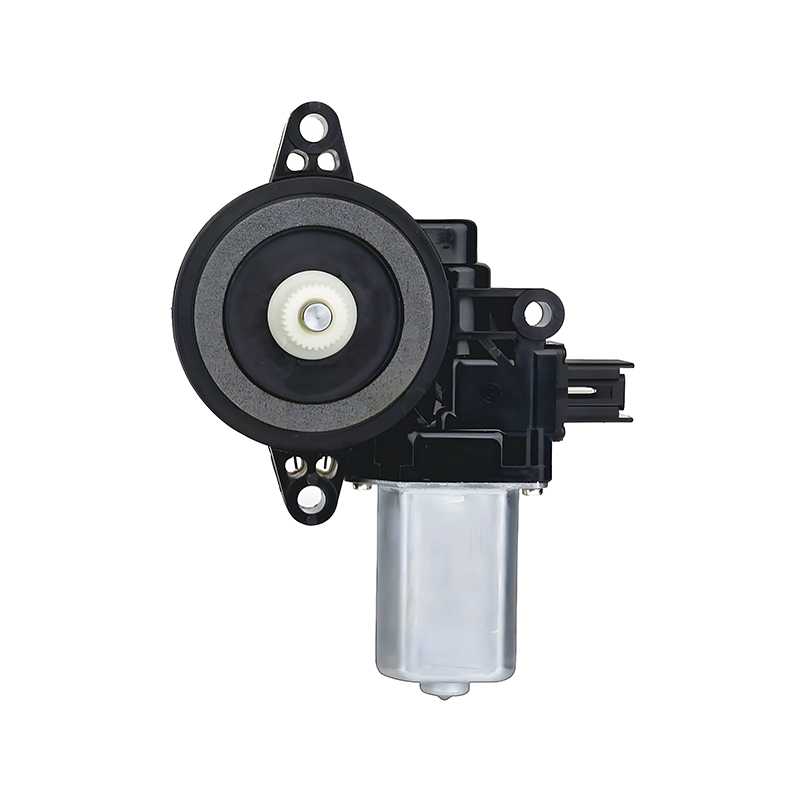
Quality control begins with a complete product definition. If the buyer and manufacturer interpret a drawing or sample differently, even a carefully assembled component may fail to meet the intended application requirements.
Before production, both parties should confirm the key technical details, including:
A confirmed drawing, reference sample, and product specification provide a common basis for manufacturing and inspection. This is particularly useful when the same model will be reordered over an extended period.
The performance and consistency of an automotive motor depend partly on the materials and components used in its construction. Differences in metal parts, plastic housings, terminals, or gear components may influence assembly accuracy and product operation.
Manufacturers should establish suitable incoming inspection procedures according to the importance of each component. Dimensions, material identification, visible defects, and relevant supplier documentation can be reviewed before parts enter the production process.
For buyers, understanding how incoming materials are checked provides a clearer picture of the manufacturer's quality management approach. It also helps when discussing component changes or alternative material options.
A Power Window Regulator Motor contains several components that must be assembled in the correct positions. Housing alignment, shaft installation, gear engagement, and electrical connection quality all deserve attention.
Rather than waiting until final inspection to identify problems, manufacturers can introduce checks at important assembly stages. This allows potential deviations to be identified closer to their source and makes corrective action easier to organize.
Assembly procedures should also be sufficiently clear for production personnel to follow consistently. When a product has multiple versions, model identification and work instructions become especially important to prevent component mix-ups.
A motor that passes a visual inspection may still have an electrical or mechanical issue. Functional testing is therefore an important part of evaluating the finished assembly.
Depending on the model and agreed specifications, inspection may include:
Testing requirements should be defined before mass production. Buyers should avoid assuming that every supplier uses the same test conditions or acceptance criteria, and should request clarification when technical requirements are important to a particular vehicle application.
Sample approval is an important milestone, but it does not automatically guarantee that every later production batch will be identical. Changes in components, tooling, assembly procedures, or suppliers may affect the final product.
Manufacturers should retain the approved specifications and use them as references for subsequent orders. Any proposed change that could affect fitment, electrical characteristics, or mechanical operation should be reviewed with the buyer before implementation.
For distributors, this process is particularly valuable when maintaining a catalog of replacement motors for different vehicle models. Consistent specifications make it easier to manage product information and respond to customer inquiries.
When a customer reports an installation or operating issue, clear product identification helps the manufacturer investigate the case. Model numbers, batch references, inspection records, and production dates can provide useful information for reviewing the relevant order.
Traceability does not replace product testing, but it helps connect customer feedback with manufacturing records. Buyers can discuss labeling and batch identification requirements before ordering, especially when products will be distributed through several sales channels.
Choosing a supplier for a Power Window Regulator Motor should involve more than comparing unit prices and delivery estimates. Buyers should also examine drawing review procedures, incoming inspection, assembly controls, functional testing, and the handling of product changes.
Zhejiang Tongzhou Auto Parts Co., Ltd. can approach automotive motor production from these connected quality considerations, helping overseas buyers clarify specifications and evaluate requirements before production. When technical communication and inspection criteria are established early, both sides have a clearer basis for managing bulk orders, repeat purchases, and after-sales feedback.
Your email address will not be published. Required field are marked*
Get in Touch

Design Automobile Motors


 en
 English
 Deutsch
 عربى