
Electric windows have become a standard convenience in many modern vehicles, but their operation depends on the coordinated performance of several components. When a window moves slowly, stops unexpectedly, or produces unusual noise, the motor and regulator assembly are among the parts that may require inspection. For automotive parts distributors, repair networks, and vehicle manufacturers, selecting a suitable Power Window Regulator Motor involves more than checking its appearance or voltage. Vehicle compatibility, mounting dimensions, electrical connections, drive performance, and production consistency all influence whether a replacement or original-equipment component can work as intended.
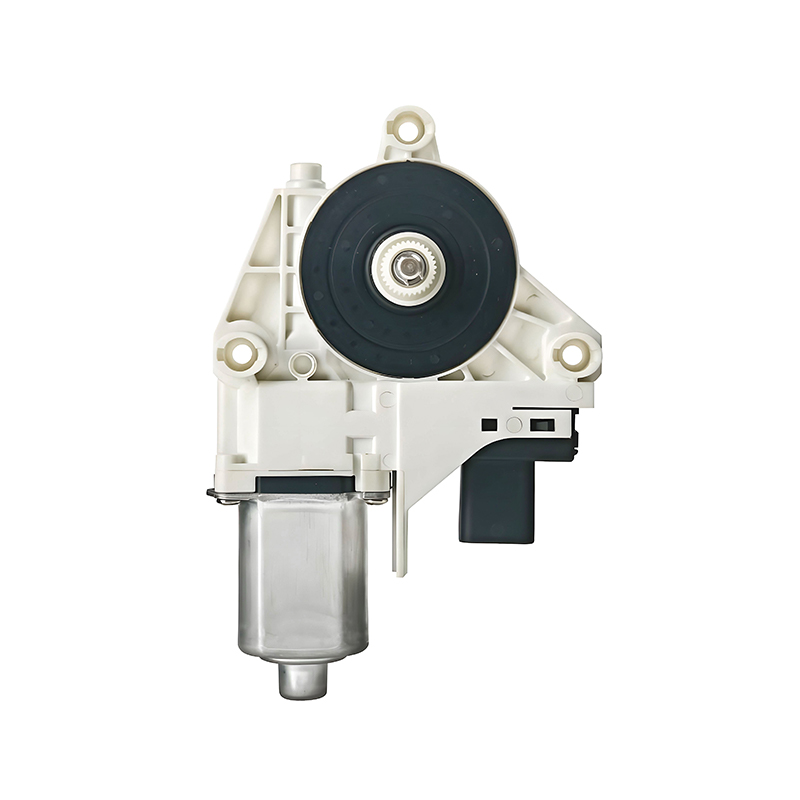
One of the most common challenges in automotive replacement parts sourcing is identifying the correct component for a specific vehicle application. Similar vehicle models may use different window regulator configurations depending on the production year, door design, trim level, or market version.
Buyers should confirm the vehicle make, model, production year, door position, and original part number whenever possible. Mounting points, connector shapes, shaft arrangements, and gear configurations should also be checked against the original component.
For manufacturers, accurate application information helps reduce selection errors and makes it easier to develop suitable replacement models for different vehicle platforms.
A power window system does not rely on the motor alone. The motor provides the driving force, while the regulator mechanism transfers that movement to the window glass.
If the regulator has excessive resistance, worn guide components, or an alignment problem, the motor may experience additional load. Replacing only the motor without checking the condition of the regulator can therefore leave the original operating issue unresolved.
When evaluating a replacement unit, buyers should consider the compatibility between the motor output, gear mechanism, and regulator assembly. A properly matched combination supports smoother movement and helps avoid unnecessary stress during operation.
Voltage and electrical connection details are essential when selecting an automotive window motor. Buyers should verify the required operating voltage, connector configuration, wiring arrangement, and control-system compatibility.
Other considerations include current characteristics, motor direction, and the way the unit responds to the vehicle's window control system. These details may vary across vehicle applications, even when two motors appear similar externally.
For bulk procurement, providing electrical drawings or original component references can help manufacturers confirm the specifications before sample approval and production.
Unusual sounds and inconsistent movement are common concerns reported by vehicle owners and repair technicians. However, these symptoms do not always indicate a motor failure.
Possible causes include:
A systematic inspection can help distinguish a motor issue from a mechanical or electrical fault. For distributors, understanding these possible causes also supports more useful product recommendations and reduces the risk of unnecessary replacement.
Automotive replacement components need to maintain consistent dimensions and operating characteristics across production batches. Small differences in mounting positions, connector placement, gear engagement, or housing assembly can create installation difficulties.
At Zhejiang Tongzhou Auto Parts Co., Ltd., manufacturing evaluation should consider the relationship between component design, material selection, assembly accuracy, and functional inspection. For a Power Window Regulator Motor, relevant quality checks may include electrical operation, drive movement, mounting dimensions, and inspection of assembled components according to the product specification.
Clear inspection criteria help connect the approved sample with subsequent production orders.
A vehicle window may be operated many times during everyday driving, so buyers should consider how the motor and regulator perform under repeated movement. Operating load, mechanical resistance, electrical conditions, and component assembly can all influence service performance.
Manufacturers can evaluate the motor together with its intended regulator mechanism rather than treating it as an isolated electrical component. Buyers may also request relevant functional test information and clarify the expected application before selecting a model.
This is particularly useful for distributors supplying repair markets, where product reliability and repeat-order consistency influence customer confidence.
For overseas automotive parts buyers, an effective sourcing process begins with accurate vehicle references and clear technical communication. Providing original part numbers, product drawings, connector photographs, and application details allows manufacturers to assess compatibility before quotation and sample development.
As an automotive parts manufacturer, Zhejiang Tongzhou Auto Parts Co., Ltd. can approach Power Window Regulator Motor sourcing from the perspectives of vehicle fitment, mechanical coordination, electrical specifications, and production requirements. By reviewing these factors together, buyers can make more informed purchasing decisions and develop a replacement parts range that better meets the needs of their target automotive markets.
Your email address will not be published. Required field are marked*
Get in Touch

Design Automobile Motors


 en
 English
 Deutsch
 عربى