
In today’s automation-driven landscape, motion control components are no longer hidden mechanical parts—they are central to system efficiency, precision, and user experience. The Table Lift Motor, widely used in ergonomic furniture and industrial lifting platforms, is gaining attention as global buyers prioritize intelligent workspaces and flexible production environments. At the same time, advancements in actuator technology are influencing how engineers approach both vertical lifting systems and automotive drivetrain control.
Across Europe, North America, and emerging markets, height-adjustable systems are becoming standard in offices, workshops, and medical environments. Table lift motors—essentially a form of electric linear actuator—convert rotational motion into controlled linear movement, enabling smooth lifting and lowering actions .
From a manufacturer’s perspective, modern buyers are no longer satisfied with basic lifting. They expect:
Quiet operation for workspace comfort
Stable synchronization in multi-leg systems
Reliable load-bearing performance over repeated cycles
This shift is driving continuous improvements in motor control systems, internal gear design, and noise reduction technologies.
The effectiveness of a lifting motor depends on more than just power output. Several engineering factors influence overall system reliability:
Manufacturers with strong in-house engineering capabilities can optimize these elements to meet different application needs, from office desks to industrial platforms.
While commonly associated with standing desks, table lift motors are now widely used in:
Industrial workstations requiring adjustable heights
Medical equipment such as examination tables
Automated production lines needing flexible positioning
Smart home furniture systems
This diversification reflects a broader trend: equipment is becoming more adaptable, and motion control components must keep pace.
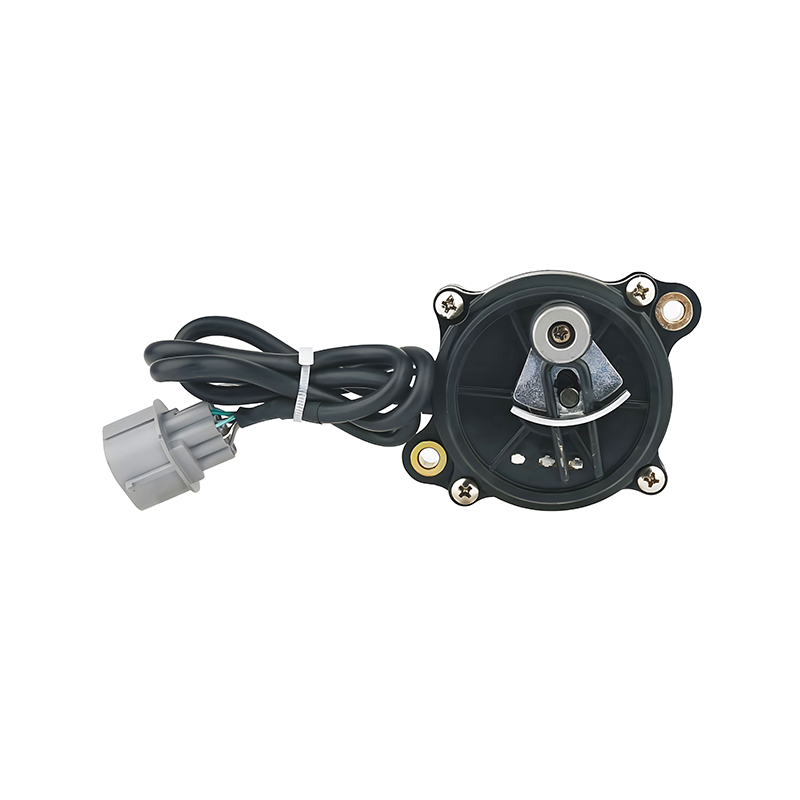
In parallel, the automotive sector is seeing increased demand for robust actuator systems, particularly in off-road and utility vehicles. The front differential actuator plays a critical role in enabling or disabling differential lock, directly affecting traction and vehicle stability .
When a driver engages four-wheel drive, the actuator receives an electrical signal and converts it into mechanical movement, locking the differential to ensure both wheels rotate together for improved grip on challenging terrain .
For procurement teams and engineers, selecting the right motor or actuator involves balancing multiple factors. Key considerations include:
A well-designed actuator not only improves performance but also reduces maintenance frequency and system downtime.
From our manufacturing experience, proper usage significantly impacts product longevity. Recommended practices include:
Ensuring correct alignment during installation to avoid uneven load distribution
Avoiding overloading beyond specified capacity
Conducting routine inspections for electrical connections and mechanical wear
Using appropriate control systems to prevent abrupt operation
These steps help maintain consistent performance in both industrial and automotive environments.
As industries continue to prioritize automation, ergonomics, and reliability, motion control components are becoming a key differentiator. Buyers are increasingly looking for suppliers who can offer:
For manufacturers, this means going beyond standard products and delivering solutions tailored to real-world applications.
The convergence of industrial automation and automotive innovation is reshaping how motion systems are designed and applied. By combining advanced lifting solutions with robust drivetrain components, manufacturers can support a wide range of modern applications. Whether improving workplace ergonomics or enhancing vehicle traction, integrating reliable Table Lift Motor systems alongside high-performance 4WD Front Differential Actuator Motor solutions enables buyers to achieve both efficiency and long-term operational stability.
Your email address will not be published. Required field are marked*
Get in Touch

Design Automobile Motors


 en
en  English
 Deutsch
 عربى
عربى