Zhejiang Tongzhou Auto Parts Co., Ltd.
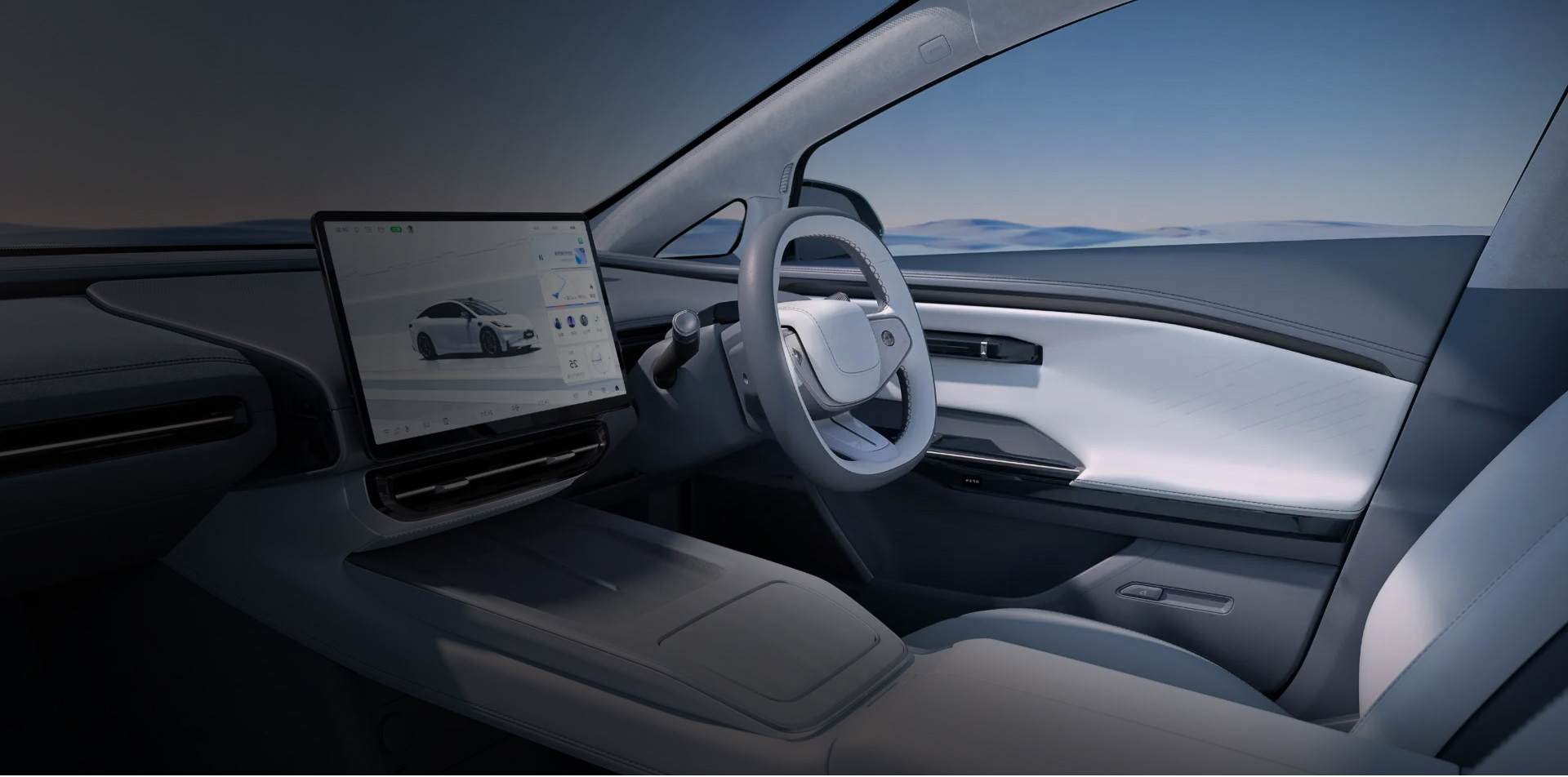
As automotive interiors continue to evolve toward smarter, quieter, and more comfort-focused designs, vehicle manufacturers are paying closer attention to every component that affects the driving experience. Among these, the Sunroof Motor has become an increasingly important focus for OEM engineering teams and Tier-1 suppliers, especially as panoramic roofs and intelligent cabin systems become more common across global vehicle platforms.
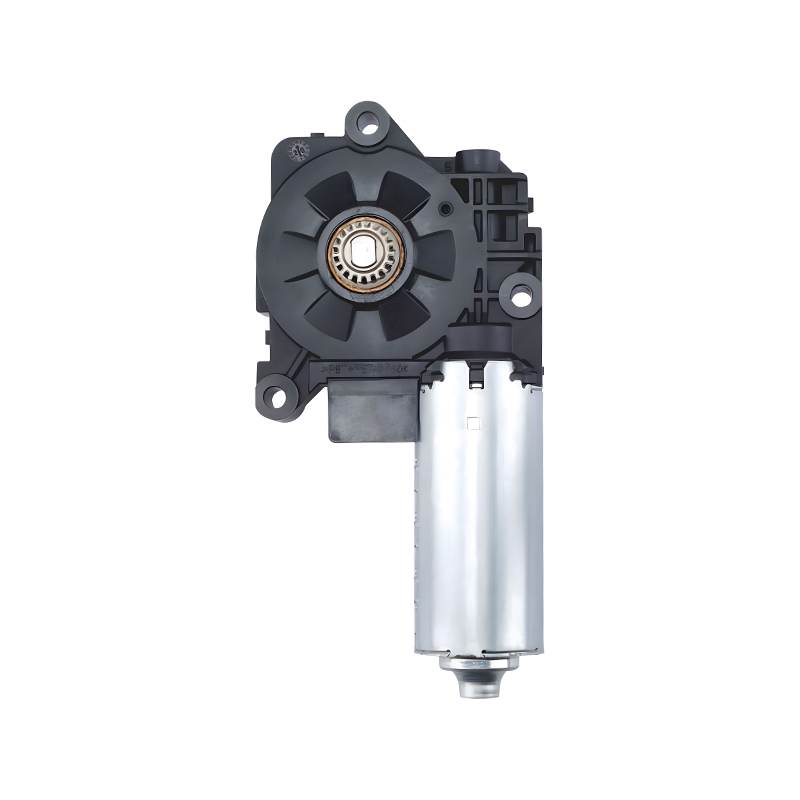
Recent industry search trends show that buyers are actively researching noise reduction performance, torque stability, system durability, and compatibility with electronic control architectures rather than basic functional operation alone.
Modern sunroof designs are no longer limited to small sliding panels. Many vehicles now integrate panoramic glass roofs and multi-mode opening systems, which significantly increase mechanical and control complexity.
Engineering teams now require motors that can support:
As system complexity increases, motor performance becomes a critical part of overall vehicle quality.
With electric vehicles becoming more widespread, cabin silence has become a major competitive factor. Without engine noise, even small mechanical sounds are more noticeable to passengers.
Manufacturers are focusing on:
Low-noise operation is now considered essential for premium driving comfort.
Sunroof motors must perform consistently in challenging environments, including high heat, freezing temperatures, humidity, and dust exposure. These conditions directly affect long-term system stability.
Buyers typically evaluate:
Reliable performance is essential for reducing warranty risks and ensuring brand reputation.
The rise of electric vehicles has introduced new expectations for energy efficiency and compact component design. Every subsystem is being optimized to reduce energy consumption and improve integration.
Key development directions include:
These improvements support broader EV efficiency and performance goals.
Modern automotive systems are increasingly connected through central control units, allowing more intelligent operation of interior features, including sunroof control.
Common integration trends include:
This requires motors capable of precise feedback and stable electronic communication.
As a manufacturer in automotive component supply, we see a strong shift toward system-level optimization. Buyers are no longer sourcing components in isolation—they expect full integration capability and consistent performance.
Typical OEM expectations include:
This reflects the industry’s move toward intelligent and comfort-driven automotive design.
As vehicle interiors become more advanced and user expectations continue to rise, comfort and automation features are becoming central to automotive innovation. Sunroof systems, in particular, are evolving into intelligent, quiet, and highly integrated components.
In this context, a well-engineered Sunroof Motor plays a vital role in delivering smooth operation, enhanced comfort, and long-term reliability in modern automotive applications.
Your email address will not be published. Required field are marked*
Get in Touch

Design Automobile Motors


 en
en  English
 Deutsch
 عربى
عربى