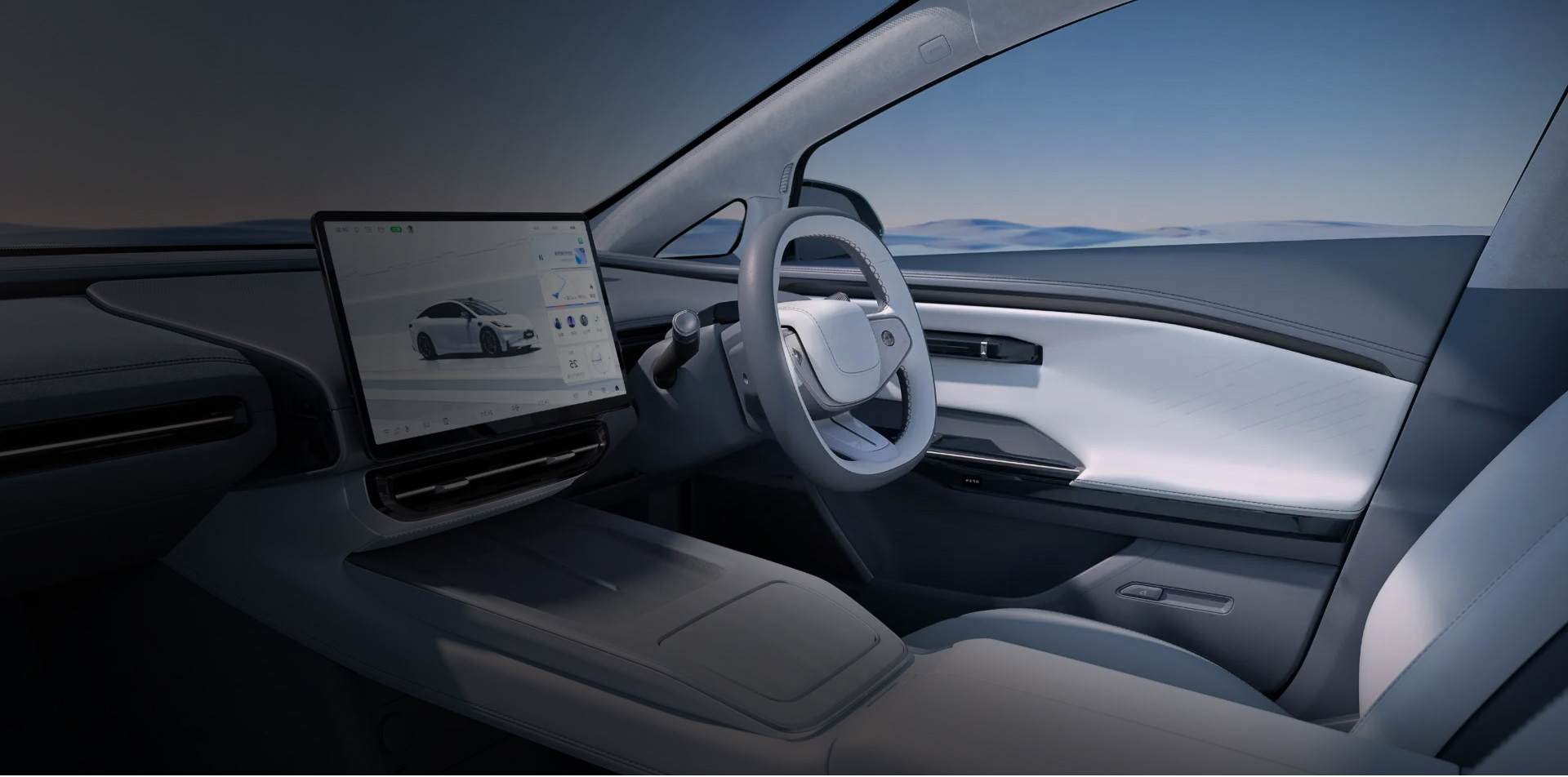
In the global automotive interior and body system supply chain, comfort features are evolving rapidly as consumer expectations for driving experience continue to rise. One component gaining consistent attention among OEM buyers, engineering teams, and aftermarket suppliers is the Sunroof Motor, especially as modern vehicles increasingly integrate panoramic roofs, anti-pinch systems, and intelligent cabin control modules.
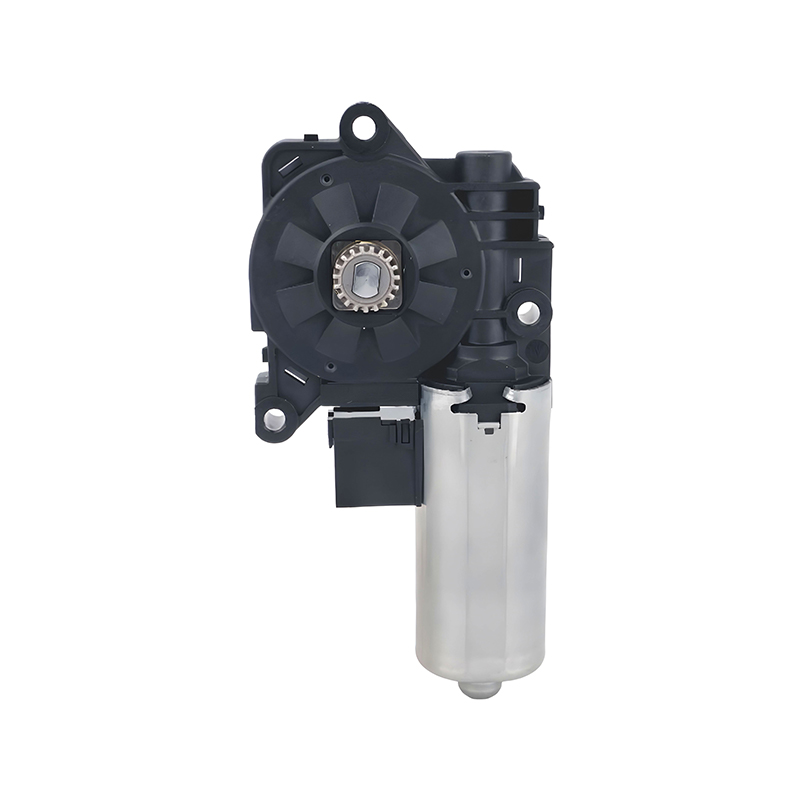
Recent industry search trends show that buyers are focusing on long-term reliability, noise reduction performance, torque stability, and compatibility with different vehicle platforms rather than basic opening and closing functions.
The growing popularity of panoramic and multi-panel sunroof systems has significantly increased mechanical load and control complexity. Compared with traditional sunroofs, modern systems require smoother motion and higher precision.
Procurement teams are prioritizing motors that can support:
This shift is pushing suppliers to improve both mechanical design and control accuracy.
In modern automotive design, cabin quietness is a major selling point. Consumers expect near-silent operation of all interior moving components, including sunroof systems.
Engineering teams are focusing on:
Noise performance is now considered part of overall vehicle comfort engineering rather than a secondary feature.
Sunroof motors operate in environments exposed to heat, cold, humidity, and dust. These conditions can significantly affect performance over time if the design is not robust.
Buyers commonly evaluate:
For OEM programs, reliability directly influences warranty cost and brand reputation.
As vehicles become more electronically integrated, sunroof systems are no longer standalone components. They are increasingly connected to central control units and smart cabin systems.
Key development trends include:
This requires motors with higher precision feedback and stable electronic compatibility.
Automotive manufacturers are under pressure to reduce overall vehicle weight and improve energy efficiency, especially in electric vehicles. Even small components like sunroof motors are part of this optimization strategy.
Current engineering focus includes:
These improvements help support broader vehicle efficiency goals.
As a manufacturer working with automotive system integrators, we see a clear shift toward customized, platform-compatible solutions. Buyers are no longer sourcing generic components—they are seeking application-specific engineering support.
Common OEM requirements include:
This reflects the automotive industry’s broader transition toward intelligent and comfort-oriented vehicle systems.
As automotive interiors become more advanced and user-focused, sunroof systems are evolving from simple mechanical features into integrated comfort technologies. Buyers are increasingly prioritizing precision, quiet operation, and system intelligence over basic functionality.
In this evolving market, a high-performance Sunroof Motor plays a critical role in ensuring smooth operation, long-term reliability, and enhanced driving comfort across modern vehicle platforms.
Your email address will not be published. Required field are marked*
Get in Touch

Design Automobile Motors


 en
en  English
 Deutsch
 عربى
عربى