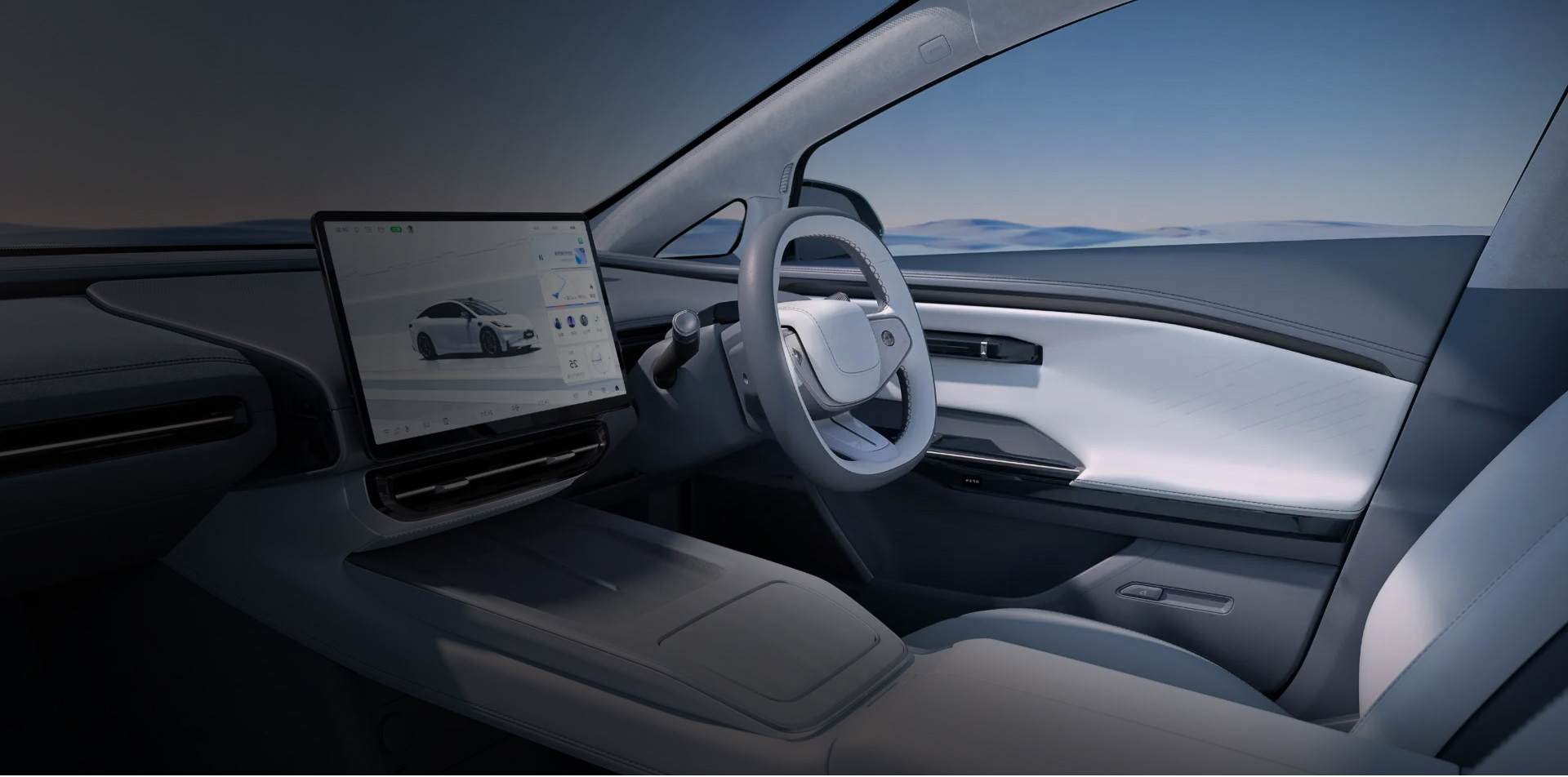
Automotive buyers and equipment manufacturers are paying closer attention to motion-control components as modern vehicles and smart interior systems become more advanced. Whether in passenger cars, commercial vehicles, or adjustable workstation systems, users now expect smoother movement, lower operating noise, and longer service life.
At the same time, social media discussions around vehicle comfort upgrades, smart interiors, and ergonomic workspace equipment are influencing purchasing trends globally. End users no longer accept unstable lifting performance, delayed response, or excessive motor noise as “normal.” For manufacturers and procurement teams, reliability has become a much larger competitive factor.
Many lifting systems perform well during early testing but gradually lose stability after long-term use. Continuous opening, closing, lifting, and positioning cycles place constant stress on internal gears, motors, and transmission structures.
Common problems include:
These issues are especially noticeable in vehicles and equipment exposed to daily high-frequency movement.
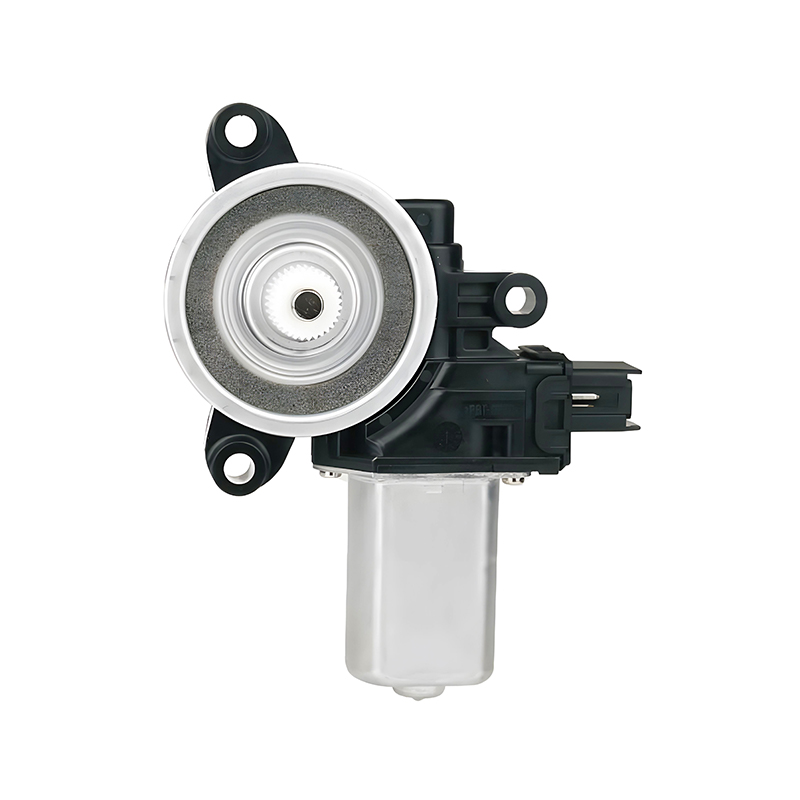
To reduce these risks, many buyers now prioritize durable Glass Lifting Motor systems designed for stable long-term operation.
Vehicle owners increasingly expect quieter cabin environments, especially in electric vehicles where motor-related sounds are easier to notice. Small mechanical noises that were previously ignored now directly affect user experience.
Manufacturers are focusing on:
For automotive interior systems, quiet performance is no longer treated as a premium feature. It is gradually becoming a standard expectation.
The rise of smart vehicle interiors and ergonomic workspace systems has expanded the use of electric lifting components. Adjustable tables, movable displays, and intelligent seat systems now require more accurate and stable motion control.
This trend is increasing demand for:
As a result, reliable Table Lift Motor solutions are becoming increasingly important in both automotive and smart equipment industries.
Motor performance is heavily influenced by operating environment and load conditions. In automotive applications, components often face temperature fluctuation, vibration, and continuous movement cycles.
Typical long-term risks include:
Manufacturers now focus more heavily on material durability and heat management during product development.
Global procurement teams are becoming more cautious when selecting motion-control components. Instead of focusing only on unit price, buyers increasingly evaluate long-term reliability and maintenance risk.
Important evaluation factors now include:
Reliable components help reduce after-sales issues and improve overall product reputation.
Modern vehicles and equipment systems are designed around space efficiency. Motion-control components must now deliver strong performance while fitting into increasingly compact installation areas.
This creates demand for:
Manufacturers capable of balancing compact design with stable performance are gaining stronger attention in international markets.
As automotive interiors and intelligent lifting systems continue evolving, buyers are placing greater emphasis on quiet operation, stable movement, and long-term durability. Small component instability can significantly affect user experience and product reliability.
Manufacturers providing dependable Glass Lifting Motor and durable Table Lift Motor solutions are becoming increasingly important partners for global buyers seeking smoother operation, lower maintenance pressure, and more reliable motion-control performance in modern automotive and smart equipment applications.
Your email address will not be published. Required field are marked*
Get in Touch

Design Automobile Motors


 en
en  English
 Deutsch
 عربى
عربى