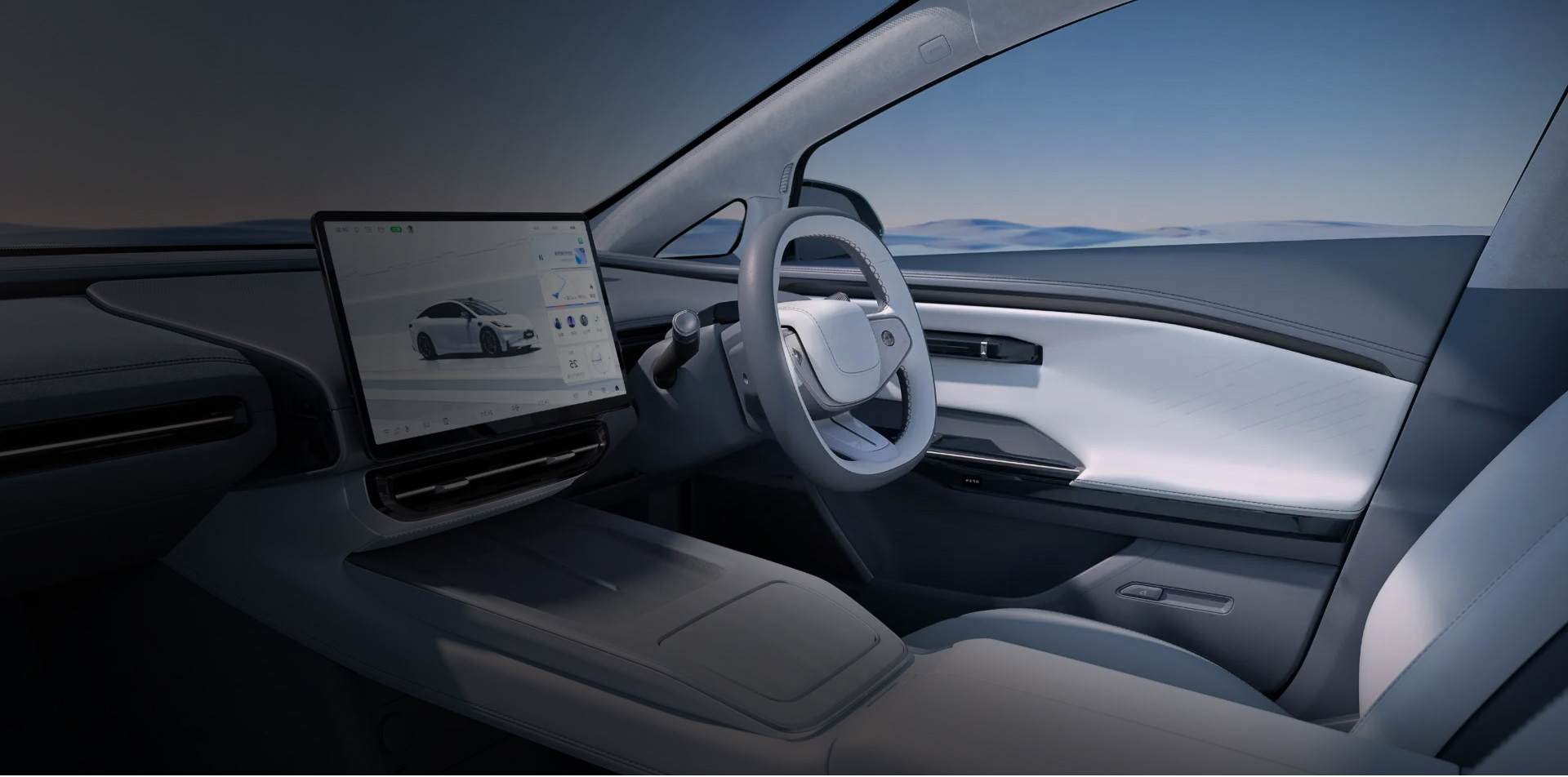
Industrial equipment design is quietly shifting toward higher precision, smarter control, and more compact motion structures. Across office automation, smart furniture, medical platforms, and light industrial systems, manufacturers are paying closer attention to how lifting mechanisms affect user experience, safety, and long-term reliability. What used to be a purely mechanical function is now becoming an integrated part of intelligent system design, where stability and controllability matter as much as load capacity. Tongzhou has been closely observing these changes as global demand for refined motion solutions continues to expand.
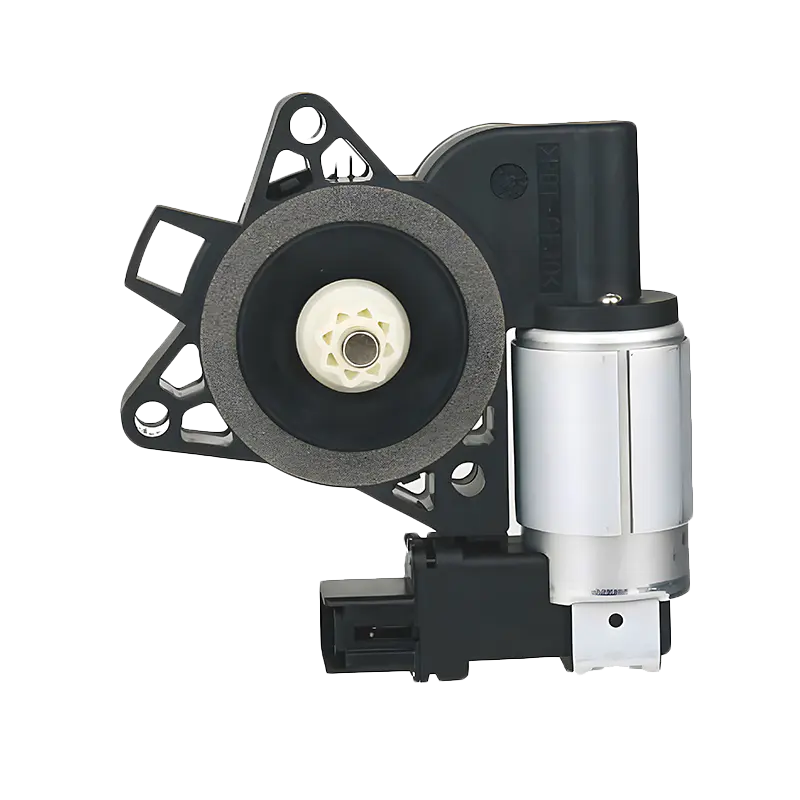
Recent industry discussions and engineering communities have highlighted a clear trend: end users are no longer satisfied with basic lifting movement. They expect smooth motion, silent operation, and precise positioning even under repeated use conditions.
This is especially visible in modern workspace equipment and adjustable industrial platforms, where ergonomic design and automation are becoming standard requirements. As a result, demand for components such as a Glass Lifting Moto is increasing in applications that require stable vertical movement and synchronized multi-point control, including glass display systems and adjustable structural platforms.
The focus has shifted from simple lifting ability to controlled motion quality and system integration.
Traditional lifting systems were designed for static and repetitive mechanical tasks. While they performed adequately in the past, they struggle to meet today’s expectations for flexibility and precision.
One major limitation is inconsistent motion control. Mechanical-only systems can produce uneven movement, especially under variable load conditions, which affects both safety and user experience.
Another issue is system integration. Older designs often require additional components to achieve basic automation, increasing installation complexity and maintenance effort.
Energy efficiency is also becoming a concern. As industries move toward greener production and lower operational costs, inefficient lifting systems are no longer preferred.
These challenges are driving engineers to adopt more advanced electromechanical solutions such as modern Table Lift Motor systems, which offer better adaptability and control precision.
In real-world usage, lifting systems must deliver not only strength but also consistency and control quality. Modern motor-driven solutions address these needs through improved structural design and more stable output performance.
From Tongzhou’s manufacturing perspective, emphasis is placed on ensuring smooth torque delivery, reliable motion curves, and durability under continuous operation conditions.
Typical application scenarios include:
In these cases, a Glass Lifting Moto provides controlled vertical movement that reduces vibration and improves alignment accuracy, especially in multi-point lifting systems.
Producing reliable motion systems requires more than assembly efficiency. It depends on strict control over motor structure design, material stability, and long-term operational testing.
At Tongzhou, production development focuses on several key engineering aspects:
These factors are essential for ensuring that each Table Lift Motor performs reliably across different industrial environments where continuous operation and precision movement are required.
The future of lifting technology is moving toward deeper integration with smart control systems. Motion components are expected to become more responsive, data-driven, and adaptive to real-time usage conditions.
Emerging trends include sensor-based feedback control, predictive maintenance functions, and system-level motion coordination. Rather than operating as standalone mechanical parts, lifting systems will increasingly function as intelligent components within larger automated environments.
Manufacturers capable of combining stable engineering with flexible customization will continue to play a key role in supporting this evolution, as global demand for efficient and intelligent motion systems continues to grow.
Your email address will not be published. Required field are marked*
Get in Touch

Design Automobile Motors


 en
en  English
 Deutsch
 عربى
عربى