
As the automotive industry accelerates toward electrification, intelligence, and user-centric design, the role of precision components is becoming increasingly important. For auto parts manufacturers and OEM suppliers, solutions like the Glass Lifting Motor and Table Lift Motor are no longer limited to basic functions—they are evolving into key elements that enhance comfort, safety, and system integration across modern vehicles.
Global automotive markets are shifting toward smarter and more connected vehicles. Features such as automatic window systems, adjustable interior modules, and multifunctional cabins are becoming standard expectations.
This transformation requires reliable actuation systems capable of delivering smooth motion, low noise, and long-term durability under varying operating conditions.
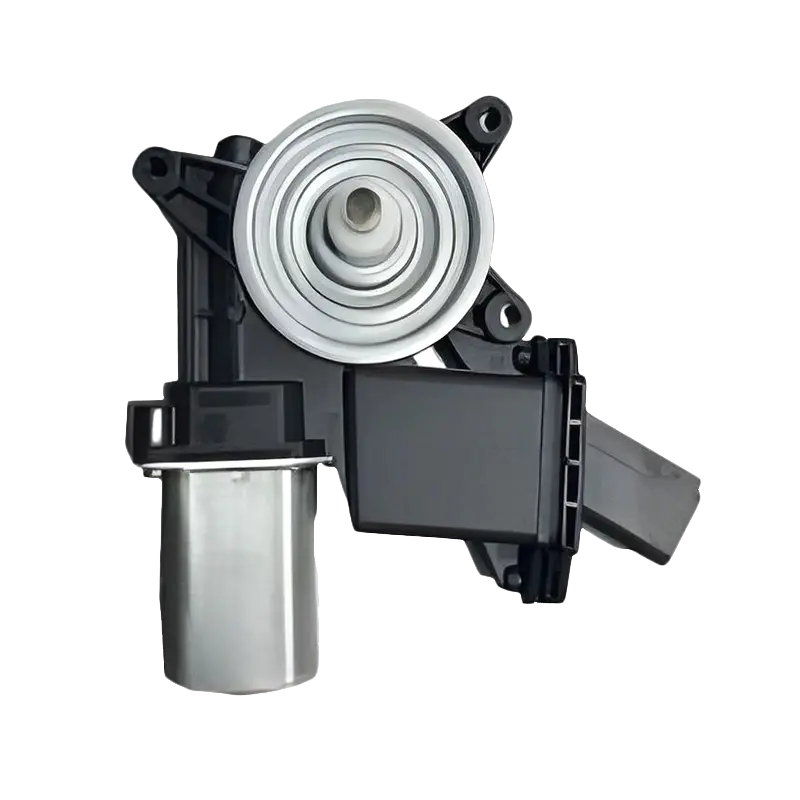
The Glass Lifting Motor is a core component in automotive window regulators. It ensures precise control of window movement, contributing to both passenger comfort and safety.
Modern designs focus on stable torque output, reduced vibration, and efficient energy consumption. These improvements are particularly important in electric vehicles, where energy efficiency directly impacts overall performance.
While traditionally associated with furniture, the Table Lift Motor is finding new applications in automotive interiors, especially in premium and commercial vehicles. Adjustable tables, mobile workstations, and multifunctional cabin features rely on compact lifting systems to provide flexibility and convenience.
This trend reflects the growing demand for vehicle interiors that support work, leisure, and personalized experiences.
Key Performance Requirements for Automotive Applications
Automotive components must meet strict performance and reliability standards. Lifting motors used in vehicles are designed with:
These characteristics are essential for meeting the expectations of OEMs and Tier 1 suppliers.
As vehicles become more intelligent, the use of lifting motors is expanding beyond traditional systems. Applications now include:
This diversification highlights the growing importance of motion control technologies in automotive design.
Automotive manufacturers often require tailored solutions to meet specific platform requirements. As a supplier, we offer flexible customization options:
These capabilities help clients develop differentiated products and meet evolving market demands.
In automotive applications, precision installation and quality assurance are critical. Components must be tested under real-world conditions to ensure consistent performance.
Regular quality checks and adherence to industry standards help maintain reliability over the product lifecycle. Selecting the appropriate motor specifications is key to avoiding operational issues.
As the automotive industry continues to evolve, the demand for advanced actuation components will grow. Lifting motors are expected to become more integrated with smart control systems, enabling features such as automated adjustments and personalized settings.
Manufacturers are focusing on improving performance, reducing energy consumption, and enhancing compatibility with next-generation vehicle platforms.
In today’s competitive automotive market, component performance directly impacts overall vehicle quality and user experience.
By delivering precision control, durability, and flexible integration, solutions like the Glass Lifting Motor and Table Lift Motor support the development of smarter, more comfortable, and more adaptable vehicles for global OEMs and aftermarket buyers.
Your email address will not be published. Required field are marked*
Get in Touch

Design Automobile Motors


 en
en  English
 Deutsch
 عربى
عربى