
Modern vehicle door systems need to balance smooth glass movement, compact packaging, operating noise, durability, and production consistency. For procurement teams and automotive engineers, selecting a Glass Regulator Motor is therefore not simply a matter of matching voltage or mounting points. The motor needs to work with the complete window regulator mechanism and the specific door structure. Current window regulator development also places attention on glass weight, available door space, anti-pinch functions, noise, and system testing.
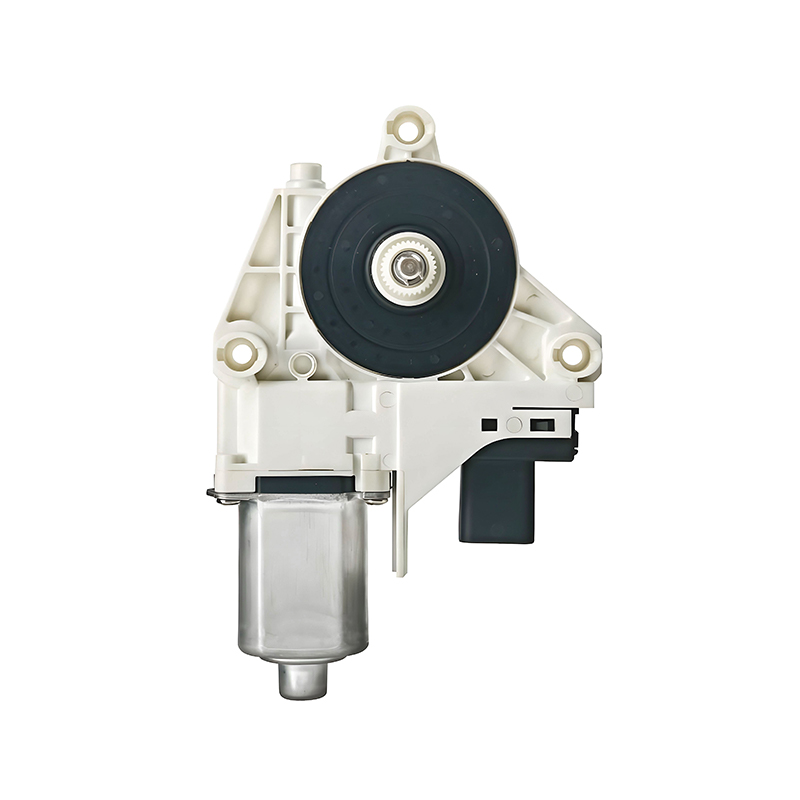
A power window motor does not work independently. Its output must match the regulator mechanism, glass weight, guide resistance, and available installation space. Cable, scissor-arm, single-rail, and dual-rail designs can have different mechanical requirements.
For buyers developing replacement or OEM components, checking the complete operating environment before selecting a motor can reduce compatibility problems during assembly. Important considerations include:
Drivers notice a window regulator when the glass moves unevenly, hesitates, produces excessive noise, or struggles near the upper and lower travel limits. These problems may come from the regulator assembly rather than the motor alone, but motor output and gear matching remain important parts of the system.
A suitable motor should provide controlled torque throughout the movement cycle while working with the mechanical resistance of the door. For manufacturers, evaluating the motor together with the regulator can provide a more realistic picture of operating performance than testing the motor as an isolated component.
Vehicle doors contain many components, including locks, speakers, wiring, handles, reinforcement structures, and window mechanisms. As a result, the available installation space for a window motor can be limited.
Compact motor and regulator arrangements can make assembly easier when the mounting position has already been defined by the vehicle platform. Industry suppliers use different regulator structures to accommodate passenger cars, commercial vehicles, heavier glass, and different door layouts.
For an automotive parts manufacturer, understanding the customer's door structure before production is essential. Drawings, samples, mounting dimensions, and connection specifications can help establish the correct configuration.
Window operation takes place close to vehicle occupants, so mechanical noise can become noticeable even when the glass moves correctly. Gear engagement, cable movement, guide friction, mounting conditions, and motor operation can all influence the acoustic result.
This is why window regulator suppliers commonly include noise and functional testing during product development and validation. From a manufacturing perspective, identifying abnormal sounds during assembly or testing is useful for separating motor-related issues from regulator or installation problems.
Bench testing can confirm whether a motor starts, reverses, and operates within the intended system. However, vehicle applications require more than basic electrical checks. The motor should be evaluated under conditions that represent the actual regulator and glass arrangement.
Depending on the project, manufacturers may need to consider:
This approach helps buyers evaluate a Glass Regulator Motor according to its intended application rather than relying only on catalog specifications.
When sourcing automotive window motors, a clear technical brief can make supplier communication more efficient. Instead of requesting only a motor model, buyers can provide the vehicle application, regulator type, mounting requirements, electrical specifications, and expected operating conditions.
At Zhejiang Tongzhou Auto Parts Co., Ltd., we understand that different vehicle door systems require different motor configurations. By discussing application requirements before production, manufacturers and buyers can work toward a Glass Regulator Motor solution that fits the regulator system, supports consistent window movement, and meets the practical requirements of automotive assembly and replacement markets.
Your email address will not be published. Required field are marked*
Get in Touch

Design Automobile Motors


 en
en  English
 Deutsch
 عربى
عربى